
In this article
- What an SEO content agency should actually deliver
- Ask for samples that prove subject knowledge
- Commission a small paid pilot before a retainer
- Check Canadian and regional search knowledge
- Ask for outcomes you can trace back to content
- Put the delivery system and price in writing
- Frequently asked questions
- Start with a focused content review
An SEO content agency should understand more than keywords. It should recognise how your customers evaluate options, which industry claims need evidence and what separates a useful answer from a polished summary. Without that knowledge, you can end up publishing pages that attract visitors but give prospective buyers little reason to trust your business.
The challenge is that subject knowledge rarely reveals itself in a sales presentation. An agency can display familiar client logos, describe an impressive process and still assign your work to someone learning the topic from competing articles. Before committing to a retainer, examine the published work, meet the people responsible for accuracy and test how the agency handles a real assignment. Those checks reveal more than a promise of higher rankings.
What an SEO content agency should actually deliver
A freelance writer, a content specialist and a full-service SEO firm can all produce articles, but their responsibilities differ. Clarify which service you are buying before comparing proposals.
A writing service may work from briefs you supply. A content-focused agency should help determine what deserves a page, what the reader needs and how the material supports a business objective. A broader SEO provider may also handle crawling, indexing, site architecture, local visibility and backlinks.
None of these models is automatically better. The right fit depends on what your team can already manage. If nobody owns technical implementation, excellent copy alone will not resolve an inaccessible or poorly structured website. MarketingFlow’s overview of what small-business SEO services should include helps distinguish content work from the wider SEO scope.
Ask for a responsibility map covering research, briefs, interviews, writing, fact-checking, publishing and updates. Every step should have an owner, whether that is the agency or someone on your team.
Ask for samples that prove subject knowledge
Request three published pieces relevant to your buying situation: an educational article, a commercial page and a piece addressing a difficult customer question. They need not come from a direct competitor, but they should involve comparable complexity and purchasing decisions.
When evaluating an SEO content agency, read beyond the introduction and look for details that a generalist would struggle to supply. Does the article explain meaningful trade-offs? Does it distinguish situations where a solution works from those where it does not? Are technical terms used correctly and explained when the audience needs that explanation?
For example, content for a commercial HVAC contractor should do more than list maintenance benefits. Depending on its purpose, it might address building use, access constraints, equipment compatibility or what a facilities manager needs before requesting a quote. Useful detail comes from understanding the customer’s decision.
Ask the agency to annotate one sample. Have it identify the intended audience, the sources used, the expert contribution and why specific sections were included. This makes its reasoning visible.
Also confirm its actual contribution. Did the agency develop the strategy and draft, edit an existing page or simply upload approved copy? A strong sample is relevant evidence only when you know which work the agency performed.
Find out who supplies the expertise
Agency experience and writer experience are not interchangeable. A firm may have served your sector for years while the person assigned to your account has never written about it.
Ask who will research, write and review your work, then request relevant credentials or samples. Your SEO content agency should be able to explain how those people will resolve unfamiliar terminology, conflicting sources and questions that require professional judgement.
A capable generalist can work effectively with an accessible subject-matter expert. For specialised or regulated topics, however, the review process needs suitable expertise and clear approval responsibility. A writer should not be left to approve medical, legal or financial claims independently.
Google’s guidance on helpful, reliable content includes questions about first-hand expertise, depth of knowledge and clear sourcing. Treat these as useful editorial checks, not a checklist that guarantees rankings. An expert byline is not a substitute for accurate, substantive content.
Commission a small paid pilot before a retainer
A paid pilot shows how the agency works with your material rather than its best historical example. Choose one page that requires genuine understanding, such as a service comparison, a buyer’s guide or a revision of an underperforming commercial page.
Give each shortlisted provider the same background information and access to an appropriate internal expert. Ask your prospective SEO content agency to deliver the research rationale, brief, draft and source notes, not just the finished text.
Agree on acceptance criteria before work starts:
| Area | What to check | Evidence to request |
|---|---|---|
| Audience understanding | The page addresses a defined customer and decision | A short explanation of reader needs and search intent |
| Original contribution | The draft adds information beyond existing search results | Interview notes, business examples or original analysis |
| Accuracy | Claims are supported and limitations are clear | Source links and a record of expert review |
| SEO execution | The page fits your site without duplicating another page’s purpose | Proposed title, headings, internal links and target-page rationale |
| Editorial response | Feedback improves the reasoning, not just the wording | A revised draft with explanations of substantive changes |
Pay particular attention to the interview. Good questions uncover customer objections, practical constraints and exceptions. Weak questions simply ask your expert to dictate the article.
The pilot should test collaboration as well as writing. Note whether the team flags missing information, meets agreed deadlines and challenges unsupported claims. Do not judge a short pilot by rankings: its purpose is to verify the quality and reliability of the delivery process.
Check Canadian and regional search knowledge
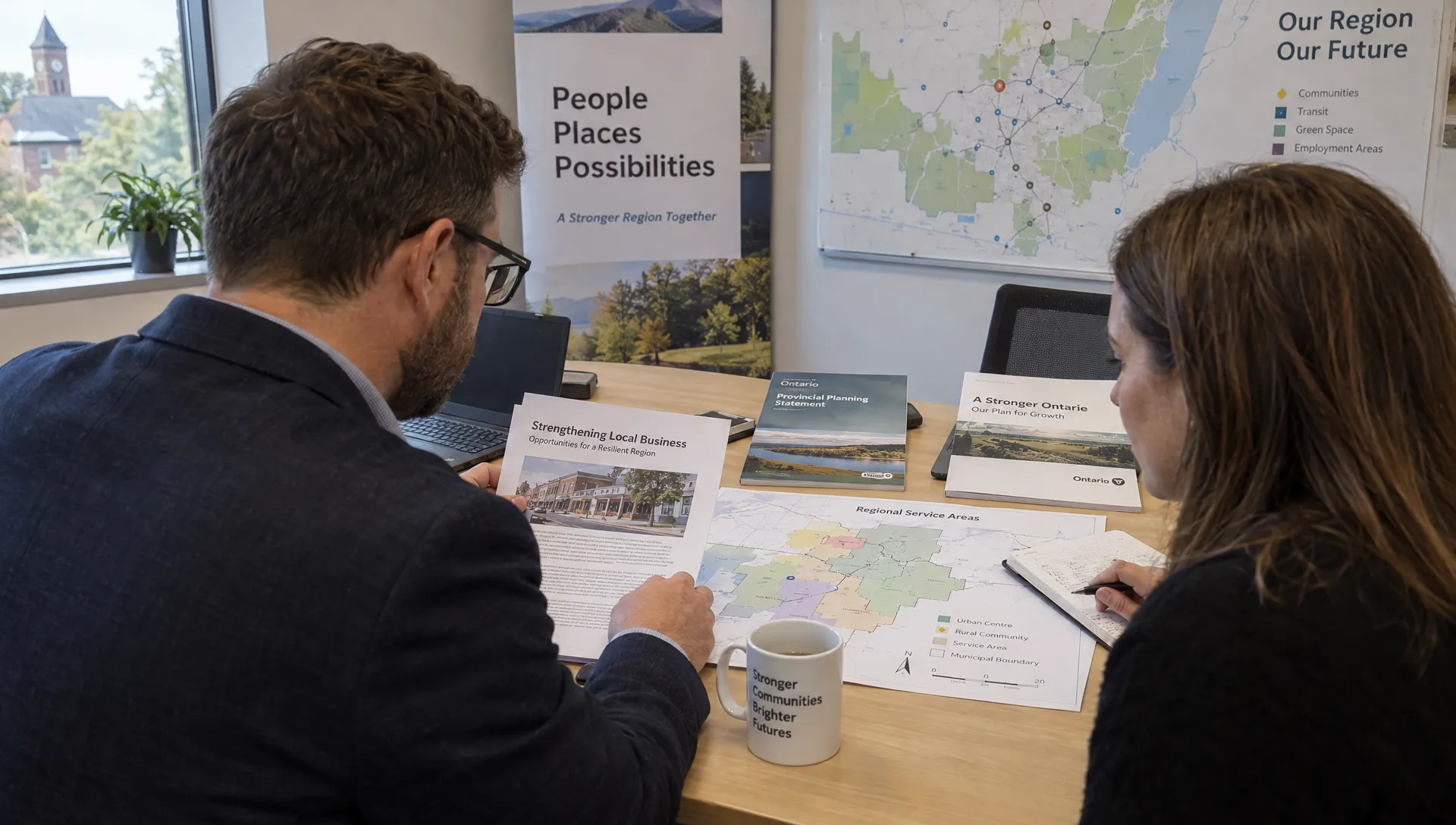
Canadian relevance involves more than changing “color” to “colour.” Your customers may face different regulations, service availability, terminology or purchasing conditions from readers in the United States.
An SEO content agency serving Canadian businesses should explain which parts of your strategy need local adaptation and which do not. A national software guide may require little geographic variation. A page about provincial incentives, professional licensing or real estate services needs jurisdiction-specific research and sources.
Ask how the team would investigate demand in your actual service area. It should consider the language customers use, the businesses appearing in search results and the information required to take the next step. Producing near-identical pages with different city names does not demonstrate regional knowledge.
Bilingual markets require another check. French-language content should reflect audience intent and be reviewed by someone competent in both the language and subject. Translation alone does not establish whether the same topic, terminology or offer makes sense for that audience. Where separate language versions exist, confirm who will manage their technical relationship, including appropriate hreflang implementation.
A useful interview question is: “What would you change for a Québec audience, and what evidence would guide that change?” Look for a research approach rather than assumptions about an entire province.
Ask for outcomes you can trace back to content
A traffic graph can demonstrate growth without showing whether the content helped the business. Request a case study that connects specific pages to a defined audience and an appropriate commercial outcome.
Ask the SEO content agency to separate visibility metrics from business results. Google Search Console can show impressions, clicks and queries. Website analytics can track configured conversion events. CRM records can help establish whether enquiries became qualified opportunities, although attribution will depend on the tracking setup and sales process.
A credible case study should identify the starting position, work completed, measurement period and other changes that could have influenced performance. A redesign, paid campaign or major increase in brand demand can affect results alongside content improvements.
For B2B businesses, inspect the connection to sales. Did the content attract the right company types and decision-makers? Did it answer objections that delay a purchase? Archer Scaling AI’s guide to choosing a marketing agency for B2B growth provides a complementary framework for evaluating ideal customer profile understanding and sales alignment.
Confidentiality may prevent an agency from sharing client-level revenue. An anonymised example with a clear methodology is still useful. What matters is whether the team can explain what was measured, what changed and what remains uncertain, rather than presenting every increase as proof of its own impact.
Put the delivery system and price in writing
Once the work passes your expertise checks, confirm that the proposed scope can sustain that standard. A knowledgeable sales lead is of limited value if the delivery budget leaves no time for interviews, research or review.
Your SEO content agency proposal should specify who performs each task and what is included in the fee. Compare the research depth, expert access, revision allowance and maintenance responsibilities, not just the number of articles or words delivered each month.
A lower price may be appropriate when your team supplies detailed briefs and approved technical information. A more research-intensive assignment needs a different scope. Ask how the provider prices expert interviews, translation, design, publishing and substantial revisions so these do not become unexpected dependencies.
Clarify ownership before signing. Your business should understand its rights to final copy, research materials and supporting assets, along with any third-party licence restrictions. This guide to account and content ownership when comparing SEO companies covers the questions worth documenting.
Finally, agree on how content will be maintained. Some pages need updates when services, regulations or product details change. Others need revision because search intent or customer questions evolve. Define how those needs will be identified and approved.
Treat refusal to clarify authorship, unsupported claims and undisclosed copying as disqualifying issues. Strong presentation or a low quote should not offset a process you cannot trust.
Frequently asked questions
Does an SEO content agency need clients in my exact industry? Not always. Experience with similar technical complexity, buyers and sales cycles can transfer. Require evidence that the assigned team can research your subject accurately and access qualified review where needed. Exact-sector logos alone do not establish that capability.
Can an agency use AI and still produce expert content? Yes, but ask what it uses AI for and how outputs are checked. The agency should remain accountable for accuracy, originality, confidentiality and source verification. Check what information may be entered into external tools before sharing sensitive material.
How long should it take to see results? Research and delivery milestones should have clear deadlines. Organic search outcomes depend on competition, existing authority, technical conditions and the pages involved. Require measurable progress checks, but treat guaranteed rankings or fixed traffic promises cautiously.
Should a Canadian business choose a Canadian agency? Location can help with regional context and collaboration, but it does not prove industry expertise. Prioritise demonstrated audience knowledge, reliable research and suitable reviewers. Confirm that the team understands any relevant provincial, linguistic and service-area differences.
Start with a focused content review
Before requesting a large content package, identify one important page and the customer decision it should support. Use that page to discuss evidence, expert input and the gaps in your current approach.
MarketingFlow offers SEO content writing, keyword research, on-page SEO and local SEO for Canadian businesses. Request a free SEO audit from MarketingFlow to discuss where content fits within your wider search priorities and what scope would address your needs.