In this article
Welcome back to the blog! If you’re managing a website here in Canada, you probably know that staying ahead of Google’s ranking algorithm can sometimes feel like chasing a moving target. This week, we’re diving into what really matters in 2026 for Canadian websites looking to boost their search engine placement. Spoiler alert: it’s not just about keywords anymore.
Whether you run a local business, a niche blog, or a growing e-commerce store, understanding the latest ranking factors can make a huge difference. Plus, we’ll share a few tips and resources you can start using today to stay on top of your SEO game.
Understanding Google’s Focus in Canada
Google’s algorithm is always evolving, but some trends are crystal clear heading into 2026. For Canadian websites, local relevance and user experience have never been more critical. Google wants to serve content that feels tailored—not just to the language or culture but also to Canadians’ unique search preferences.
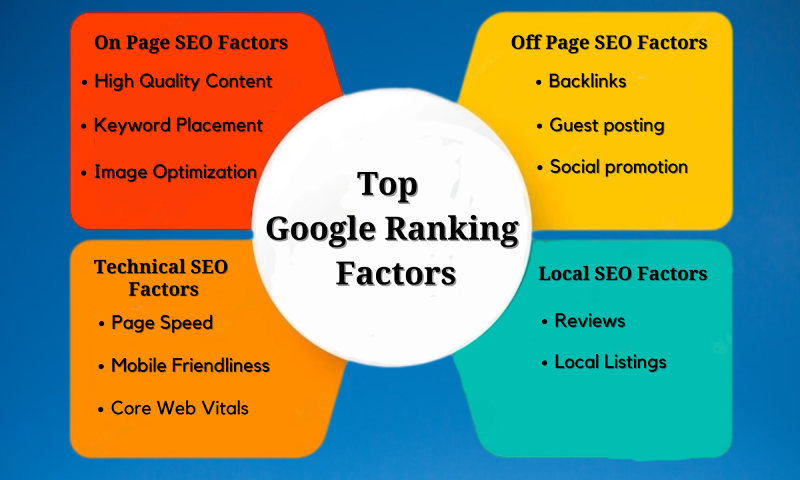
Here are the key factors shaking up the SEO landscape this year:
- Local SEO and Geo-Targeting: More than ever, Google prioritizes results that match the searcher’s location. For Canadian businesses, this means your website must clearly communicate your local presence. Use region-specific content, include local landmarks, and optimize your Google Business Profile to improve visibility.
- Mobile-First and Page Experience: With mobile browsing the dominant method, Google ranks sites based on mobile usability and page speed. In Canada’s sprawling geography, many users rely on mobile networks, so making your site lightning-fast and easy to navigate on small screens is a must.
- Content Quality and E-A-T: Expertise, Authoritativeness, and Trustworthiness (E-A-T) remain central. Google rewards in-depth, well-researched content that answers user questions thoroughly. For Canadian sites, incorporating local insights and credible sources can elevate your authority.
- Structured Data and Rich Snippets: Using structured data to help Google understand your content boosts your chances of earning rich snippets—those eye-catching results that show ratings, FAQs, or event details right on the results page. This can increase your click-through rate and, ultimately, your rankings.
- User Engagement Signals: Metrics like bounce rate, dwell time, and return visits subtly influence rankings. Engaging content that keeps visitors hooked signals to Google that your site delivers real value.
Practical Tips to Optimize Your Canadian Website
Now that we know what Google is looking for, here are some actionable steps you can take:
- Sprinkle local keywords throughout your site—but naturally. Think beyond just city names; include local events, culture references, or even regional slang to resonate with your audience.
- Create content hubs around topics that matter to Canadians, whether that’s local news, regulations, or seasonal trends.
- Implement structured data markup to help search engines parse your content better; tools like Google’s Structured Data Markup Helper can simplify this process.
Remember, SEO isn’t a one-off task. It’s an ongoing conversation with your audience and the search engines. Patience and continuous improvement will pay off.
Wrapping It Up
Thanks for sticking with me through these fresh insights on Google ranking factors tailored specifically for Canadian websites. Embracing these trends will help keep your site competitive and visible in a crowded digital landscape.
Next week, we’ll explore how artificial intelligence is reshaping digital marketing strategies right here in Canada—an exciting topic you won’t want to miss. Until then, happy optimizing!
And as always, feel free to drop your questions or share your experiences with SEO in the comments or on social media. We’re all in this together.